Many leaders I work with share the same frustration: “Just show up and get on with it!” They’re working long hours under intense pressure, hitting difficult targets and solving complex problems. They simply cannot afford to have people not showing up.
This is particularly acute in professional services, where a 5-10% dip in utilisation can blow your monthly budget. One stressed employee taking leave can cascade into missed deadlines, client complaints, and team burnout.
Stress leave, absenteeism, presenteeism (showing up but mentally checked out), and disengagement plague many teams. With psychosocial safety now a Workcover priority, you’re facing a double burden: somehow getting the work done while managing potential claims and extended leave costs.
Here’s the thing though – you’re not powerless. There are three concrete steps you can take to turn this around.
1. Ensure a safe play pit
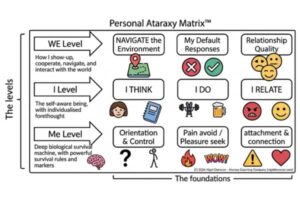
This is where Workcover regulations actually make sense. You can no longer run a workplace like it’s 1985. The fundamentals aren’t complicated: don’t be an arsehole to people, don’t allow your leaders to be arseholes, and don’t tolerate any form of discrimination or unreasonable demands.
A quality HR specialist can establish simple processes to support this, but it starts with leadership commitment to basic respect and fairness.
2. Focus on quality connections and communication
Poor communication is the root of most workplace stress and disengagement. Think about it – how much conflict comes from misunderstood intent? How many meetings feature 2 people actually engaged while 5 others are passengers?
When people can debate and discuss ideas without it becoming personal or pride-driven, everything improves. Better communication skills might sound basic, but they’re transformational for team engagement.
Importantly, they prevent problems from building up and then blowing up.
3. Build resilient people
You might think this is outside of your control beyond hiring decisions, but it’s not. Investing in mental fitness programs for your key staff (or everyone) is more accessible and affordable than most leaders realize.
Programs that require as little as 2 days of their time spread over 3-6 months shift the dial considerably. The measurable difference in performance, engagement, and wellbeing is remarkable.
Imagine if your team was on average 10% more resilient, 10% better at handling pressure, 10% more engaged. How much easier would your days become?
You don’t have to accept missing persons, passengers, or workplace drama. Start with one area – communication skill/focus, basic respect protocols, or a resilience program – and build from there.
Your people want to show up and do good work. Sometimes they just need the right environment and tools to make it happen.